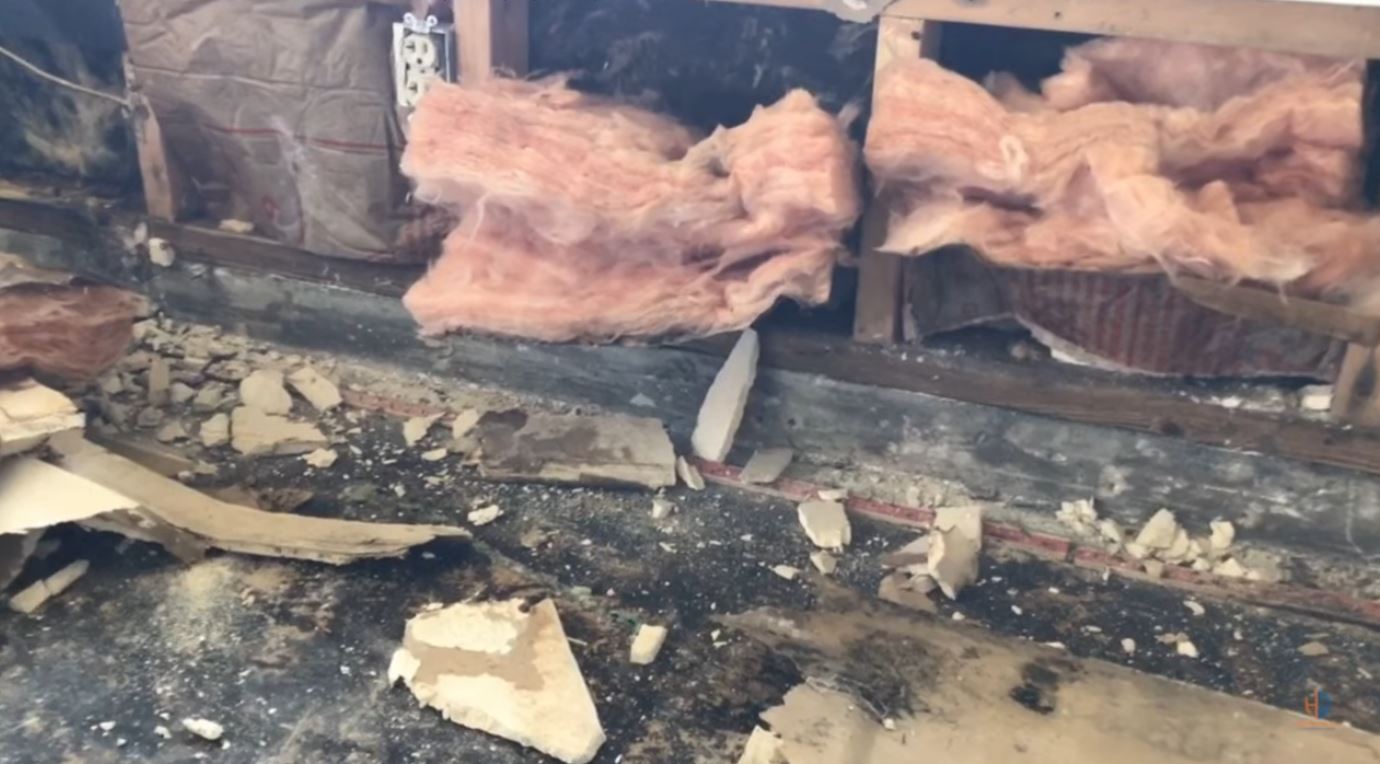
Mold in homes and businesses is more than just an aesthetic problem — it’s a threat to indoor air quality, structural integrity, and human health. In Huntsville, AL, and its surrounding communities, humidity, seasonal rains, and the presence of older buildings create ideal conditions for mold growth. That’s why professional mold inspection and remediation services are essential to identify, assess, and safely remove mold before it causes lasting damage or health issues.
This comprehensive guide explains everything you need to know about mold inspection and remediation: why it matters, what causes mold, how professionals handle it, signs you need service, costs, and how to choose a trusted provider in Huntsville and nearby areas like Madison, Decatur, and Athens.
Why Mold Inspection Matters in Huntsville, AL
Huntsville’s climate — characterized by warm, humid summers and mild winters — presents frequent moisture challenges for homes. Even small amounts of water infiltration from leaks, poor ventilation, or flooding can lead to mold growth within 24–48 hours if left unaddressed.
Mold spores are microscopic, airborne, and naturally occurring. They enter indoors through windows, doors, HVAC systems, or on clothing and pets. When they find moisture and organic material (wood, drywall, carpet), they begin to grow. Over time, mold colonies expand, releasing spores into the air and weakening building materials.
A professional mold inspection helps uncover hidden mold that isn’t always visible — behind walls, under flooring, inside attics, crawl spaces, and HVAC systems. Early detection prevents extensive spread and higher remediation costs later.
Common Causes of Mold Growth in North Alabama Homes
Understanding what causes mold is key to preventing it in the future. The most common triggers in Huntsville and surrounding areas include:
1. High Humidity Levels
Southern humidity can keep indoor moisture high even without visible water leaks, creating ideal conditions for mold.
2. Water Leaks
Leaky roofs, plumbing failures, and basement seepage provide water sources that mold needs to thrive.
3. Poor Ventilation
Bathrooms, kitchens, and laundry rooms with inadequate ventilation trap moisture, contributing to mold.
4. Condensation
Insufficient insulation can lead to condensation on cold surfaces like windows, piping, and exterior walls.
5. Flooding
Storm events or heavy rains can introduce water deep into crawlspaces and foundations, leading to hidden mold.
6. HVAC Systems
Mold can grow inside ductwork, coils, and drip pans when systems are improperly maintained or clogged.
Signs You Need a Mold Inspection
Mold can be obvious or hidden. If you notice any of the following signs, it’s time to schedule a professional inspection:
Visible Mold Growth
Black, green, gray, or white fuzzy spots on walls, ceilings, baseboards, or around windows.
Musty, Damp Odors
Persistent smells that don’t go away with cleaning are strong indicators of hidden mold.
Water Damage or History of Leaks
Previous floods, roof leaks, or plumbing issues make mold likely even if you don’t see it.
Allergy Symptoms Indoors
Sneezing, congestion, itchy eyes, or breathing issues that worsen at home may be linked to mold exposure.
Peeling Paint or Wallpaper
Moisture behind walls can lift finishes and indicate mold behind surfaces.
Warped or Soft Walls and Flooring
Mold weakens structural materials, leading to noticeable changes in flooring or wall texture.
What to Expect During a Professional Mold Inspection
A thorough mold inspection is more than a visual walkthrough. Certified inspectors follow a structured process:
Step 1: Initial Consultation
A professional assesses your concerns, property history, and areas of suspected mold.
Step 2: Visual Inspection
All accessible areas — attics, basements, crawlspaces, HVAC intakes, and bathrooms — are examined.
Step 3: Moisture Mapping
Technicians use moisture meters to find damp spots behind walls or under floors where mold may be hidden.
Step 4: Air and Surface Sampling
Air and surface samples are collected to measure mold spore counts and identify species.
Step 5: Lab Testing
Samples are sent to certified labs for analysis, providing accurate identification and severity levels.
Step 6: Detailed Report
You receive a report showing findings, moisture sources, recommended actions, and a remediation plan.
Professional inspections don’t just confirm mold presence — they reveal the extent of growth and underlying moisture issues that must be fixed to prevent recurrence.
Mold Remediation: Safe Removal and Prevention
Once mold is confirmed, the next step is mold remediation — safely removing growth and preventing it from coming back. Remediation is a controlled, often multi-step process involving containment, removal, repair, and prevention strategies.
Containment
Remediation teams isolate affected areas using plastic barriers and negative air pressure to prevent mold spores from spreading during cleanup.
Removal of Affected Materials
Porous materials — insulation, drywall, carpets — that cannot be fully cleaned are safely removed and disposed of according to safety regulations.
Cleaning and Sanitizing
Non-porous surfaces are scrubbed using EPA-approved antimicrobial and antifungal solutions to eliminate remnants.
HVAC System Cleaning
If ductwork or HVAC components are contaminated, they’re cleaned to stop mold circulation through air streams.
Drying and Dehumidification
Moisture is eliminated with professional dehumidifiers and drying equipment to prevent future mold growth.
Repair and Reconstruction
After mold is removed, technicians may repair structural damage like drywall replacement or insulation installation.
Prevention Plan
Remediation experts advise on steps to keep moisture under control — from ventilation upgrades to gutter repairs and dehumidifier installation.
Health Risks of Untreated Mold
Mold exposure affects different people in different ways, but certain populations are especially vulnerable, including:
- Infants and children
- Elderly adults
- People with allergies
- Individuals with asthma or respiratory issues
- Anyone with a weakened immune system
Common symptoms of mold exposure can include:
- Chronic coughing or wheezing
- Nasal congestion or sinusitis
- Eye irritation or redness
- Headaches
- Skin rashes
- Fatigue or dizziness
Even if you don’t see mold, unexplained health symptoms that improve outside the home may indicate indoor mold growth.
Benefits of Professional Mold Services in Huntsville and Nearby Areas
Choosing certified professionals ensures:
Accurate Identification
Experts test spores and species — some molds are more toxic than others (e.g., Stachybotrys or “black mold”).
Controlled, Safe Removal
Professionals follow safety protocols and use proper PPE to protect both your family and their workers.
Complete Moisture Resolution
Remediation includes identifying and fixing moisture sources — a step DIY attempts typically overlook.
Documentation for Insurance
A professional report helps support insurance claims related to mold damage.
Improved Indoor Air Quality
Removing mold reduces airborne spores, allergens, and odors for a healthier environment.
How Much Does Mold Inspection and Remediation Cost?
Costs vary based on size, location, severity, and whether structural repairs are needed. Typical ranges include:
Mold Inspection:
$200–$600 on average
Mold Testing & Lab Analysis:
$100–$400
Mold Remediation:
$500–$6,000+, depending on square footage, materials affected, and accessibility
Larger jobs involving HVAC cleaning or full basement remediation can cost more. A certified professional should always provide a detailed, written estimate before work begins.
Preventing Mold After Remediation
Remediation removes existing mold, but prevention is key to keeping it away long-term. Experts recommend:
Control Indoor Humidity
Keep indoor humidity between 30–50% with dehumidifiers and proper HVAC settings.
Fix Water Entry Points Quickly
Repair roof leaks, basement cracks, window seals, and plumbing drips promptly.
Improve Ventilation
Use exhaust fans in bathrooms and kitchens to reduce moisture buildup.
Clean and Maintain Gutters
Ensure rainwater is diverted away from your home’s foundation.
Monitor Crawlspaces
Install vapor barriers and improve airflow in crawl areas.
Regular HVAC Maintenance
Schedule routine cleaning of ducts, coils, and drip pans to prevent mold growth.
Choosing a Trusted Mold Inspection and Remediation Company
When selecting a provider in Huntsville, AL, or surrounding areas like Madison, Harvest, Hazel Green, or Athens, consider:
✅ Certifications (e.g., IICRC, NORMI, ACAC)
✅ Verified Reviews and Local References
✅ Detailed Written Estimates
✅ Comprehensive Inspection Reports
✅ Clear Remediation Protocols
✅ Insurance and Licensing
✅ Follow-Up Moisture Prevention Plans
Local expertise matters — professionals familiar with North Alabama’s climate and building styles are better equipped to handle common regional issues.
Service Areas Around Huntsville, AL
Mold inspection and remediation providers typically serve:
- Huntsville, AL
- Madison, AL
- Harvest, AL
- Hazel Green, AL
- New Market, AL
- Athens, AL
- Decatur, AL
- Meridianville, AL
- Owens Cross Roads, AL
- Toney, AL
- Moores Mill, AL
- Brownsboro, AL
Whether you live in a historic district or a newer subdivision, every home and business benefits from professional mold solutions.
Frequently Asked Questions (FAQs)
Q: Can I clean mold myself?
A: Small surface mold can be cleaned, but hidden or widespread mold requires professional tools, containment, and safety protocols.
Q: How long does remediation take?
A: Small jobs may take a few hours; large infestations can take several days, including drying and repairs.
Q: Will my insurance cover mold removal?
A: Some policies cover mold resulting from sudden water damage, but not mold from long-term neglect. Always check your policy.
Q: Is mold dangerous?
A: Certain species can be harmful. Professional testing identifies the species and risk level.
Q: How often should I inspect for mold?
A: Annual checks are wise, especially in wet seasons or after water events.
Final Thoughts: Protect Your Home, Health, and Investment
Mold inspection and remediation are essential services for homeowners and businesses in Huntsville, AL, and surrounding communities. With the region’s humidity, seasonal changes, and old and new building inventories, mold can develop quickly and quietly — hidden behind walls, under flooring, or in crawlspaces and HVAC systems.
Early inspection, accurate testing, and professional remediation not only protect your home’s structure but also safeguard your family’s health and indoor air quality. Combined with effective prevention strategies, these services keep your property safe, comfortable, and mold-free for years to come.